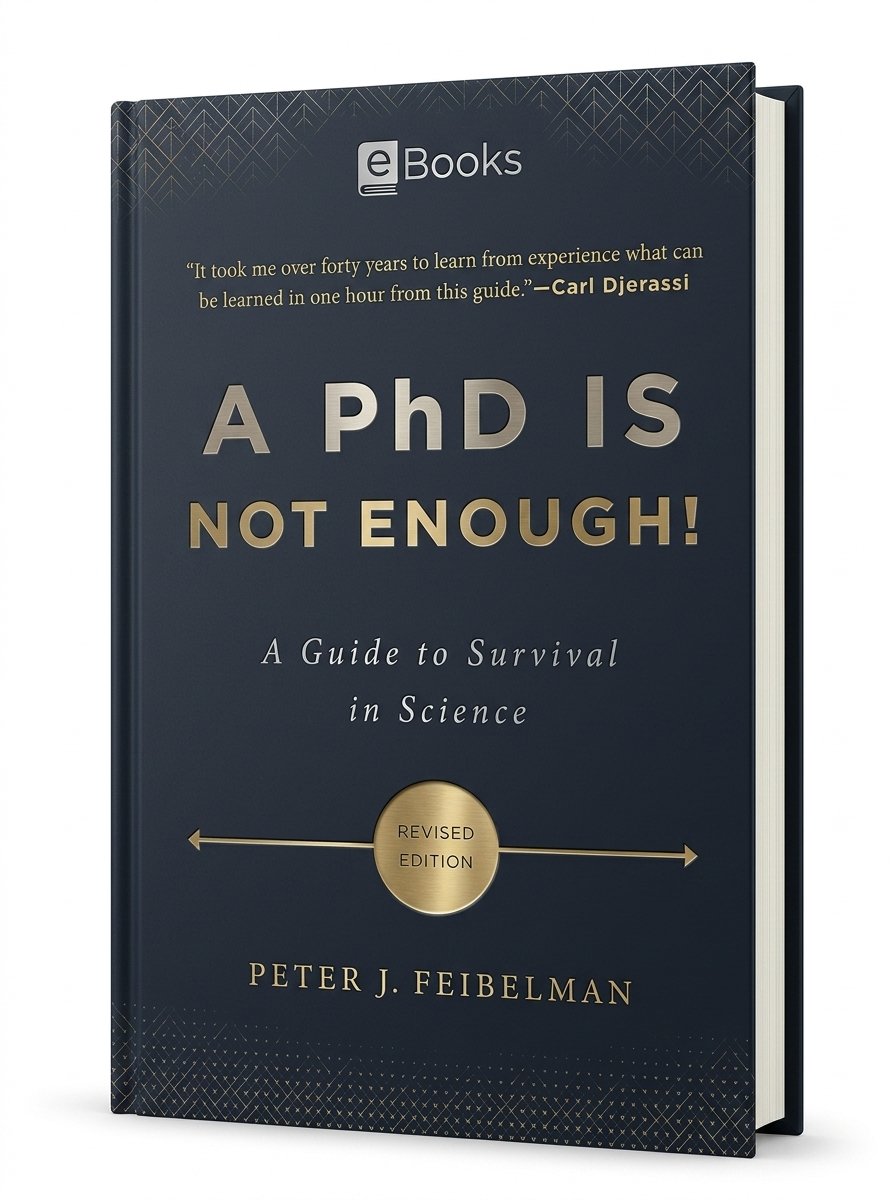
Description: The journey to a doctorate is grueling, yet the stark reality is that a PhD alone no longer guarantees career success. This guide explores essential survival strategies for scientists, addressing why the degree is insufficient without resilience, networking, business acumen, and adaptability. Learn to thrive beyond the thesis.
The Harsh Reality of a Doctorate
Earning a PhD proves your ability to conduct research, but it rarely teaches you how to navigate academic politics, secure funding, or manage failure. Many graduate students exit their programs feeling brilliant yet unprepared for the cutthroat competition of postdoctoral life or industry roles. The “publish or perish” culture often sidelines mental health and practical career planning. Without soft skills—communication, teamwork, and self-advocacy—a brilliant scientist can stagnate. Recognizing that a certificate is not a shield against unemployment or burnout is the first step toward genuine survival in science.
Building a Resilient Mindset for Setbacks
Rejection is woven into the fabric of scientific life: papers are denied, grants are scored poorly, and hypotheses fail. A PhD does not inoculate you against these blows. Survival demands a resilient mindset that reframes failure as data. Instead of internalizing rejection, treat each “no” as feedback for iteration. Develop coping strategies like peer support groups, regular exercise, or mindfulness practices. Resilience also means knowing when to pivot—changing projects, labs, or even fields. The scientists who endure are not those who never fall, but those who rise faster after each collapse.
Networking Beyond the Laboratory Walls
Isolation is a silent career killer. Many PhDs believe their work should speak for itself, but science is a social enterprise. Survival requires intentional networking: attending conferences, engaging on LinkedIn, and joining interdisciplinary collaborations. These connections yield unadvertised jobs, manuscript collaborators, and mentors who offer real-world advice. Do not wait for your advisor to open doors. Build a diverse network that spans academia, biotech, policy, and science communication. A robust professional community provides safety nets during unemployment and celebrates wins together. Your PhD opens the door; your network keeps it open.
Developing Business and Project Management Skills
Research rarely teaches budgeting, team leadership, or strategic planning. Yet these competencies separate surviving scientists from thriving ones. Learn to manage a project timeline, write a business case for your research, or understand intellectual property basics. Free online courses in project management or lean startup methodology can transform how you lead a lab or transition to industry. Grants are essentially business proposals. When you speak the language of ROI and deliverables, you become indispensable. A PhD proves expertise; business skills prove you can translate that expertise into impact and revenue—essential for long-term survival.
Embracing Adaptability and Lifelong Learning
The half-life of technical skills is shrinking. A technique mastered during your PhD may be obsolete within a decade. Survival demands adaptability: continuously learning new methods, tools (like AI for data analysis), and communication platforms. Be willing to step outside your comfort zone—teach a workshop, write a blog, or consult for a startup. The most endangered scientists are those who cling to a single skill set. Instead, view your PhD as a foundation, not a fortress. By embracing change and committing to lifelong learning, you transform from a degree-holder into an agile scientific problem-solver, ready for any future.