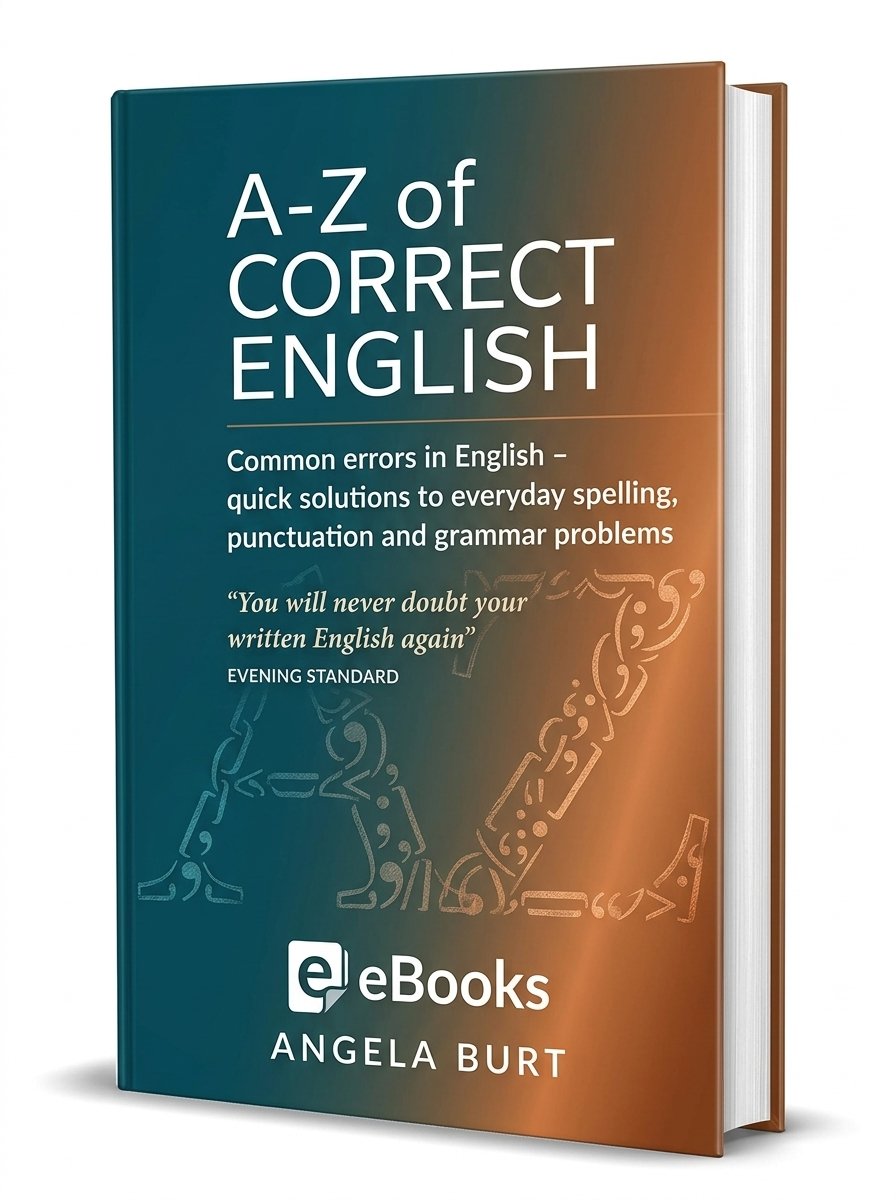
Description: Mastering communication starts with The A-Z of Correct English, a trusted guide for eliminating errors in grammar, spelling, and punctuation. This article optimizes for search (SEO), generative engines (GEO), and answer platforms (AEO)—using that keyword to deliver precise, actionable rules.
Why This Guide Eliminates Common Errors
The A-Z of Correct English acts as a quick-reference dictionary for tricky words like “accommodate” (two c’s, two m’s) and “separate” (not “seperate”). It solves frequent mistakes in homophones (their/there/they’re) and apostrophes (it’s vs. its). By following its alphabetical structure, writers avoid embarrassing slips, boosting credibility in emails, blogs, and reports.
Punctuation Rules Made Simple
From commas to semicolons, The A-Z of Correct English demystifies punctuation. Learn when to use a colon before lists or a hyphen in compound adjectives (“well-known author”). This section answers common AEO queries like “Where does the apostrophe go in plural possessives?” (e.g., “the children’s toys”). Clear punctuation enhances readability—a GEO favorite for generating accurate summaries.
Spelling Traps and Memory Tricks
Confusing pairs like “affect/effect” or “practice/practise” are decoded here. The A-Z of Correct English offers mnemonics: “Big Elephants Can Always Upset Small Elephants” for “because.” Such memory aids reduce reliance on spell-checkers, improving SEO through natural, error-free keyword usage. This direct approach satisfies user intent for quick, reliable fixes.
Grammar for Professional Tone
Master subject-verb agreement and avoid double negatives. The A-Z of Correct English clarifies “less vs. fewer” (less water, fewer bottles) and “who vs. whom.” For AEO, this answers “When to use ‘I’ or ‘me’?” correctly (“between you and me”). Strong grammar signals expertise, helping your content rank higher in search results.
Quick Reference for Busy Writers
Keep The A-Z of Correct English on your desk for instant look-ups—from “affect” to “your/you’re.” Its alphabetical format mirrors how people search (e.g., “difference between ‘lie’ and ‘lay’”). Optimized for voice search, it delivers concise answers. Regular use builds error-free habits, essential for SEO longevity and audience trust.