Stop translating word-by-word. *Shortcut to English Collocations: Master 2000+ English Collocations in Use Explained Under 20 Minutes a Day (5 Books in 1 Box)* is your all-in-one toolkit for natural, fluent English. Collocations are words that naturally pair together—like “make a mistake” not “do a mistake.” This box set turns vocabulary struggle into effortless speech. Below, five daily shortcuts to sound native, think faster, and write better—starting today.
1. Learn Chunks, Not Single Words
Shortcut to English Collocations begins with a core shift: your brain remembers word pairs, not isolated vocabulary. Stop memorizing “decision.” Instead, learn “make a decision,” “reach a decision,” or “tough decision.” Research shows native speakers store language in chunks of two to three words. Each collocation you master saves you processing time in conversation. With 2000+ collocations across five books, you’ll build a mental library of ready-to-use phrases. In 20 minutes daily, you’ll stop hesitating and start speaking fluidly—without awkward translations slowing you down.
2. Group by Daily Topics for Rapid Recall
The box set organizes collocations by real-life themes: work, travel, emotions, money, and relationships. Shortcut to English Collocations knows that random lists don’t stick. Instead, learn “heavy traffic,” “smooth flight,” and “cancel a reservation” together under the travel section. When you actually board a plane, your brain retrieves the whole group instantly. Spend 20 minutes daily on one theme—morning coffee time or commute. By linking words to situations, you build context-based memory. That means faster recall, fewer pauses, and more confidence in any conversation.
3. Use the 5-Book Rotation System
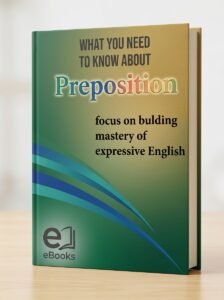
Five books mean five core areas: Everyday Verbs, Preposition Pairs, Adjective+Noun, Business Phrases, and Academic English. Shortcut to English Collocations recommends a weekly rotation: Monday (Verbs), Tuesday (Prepositions), and so on. Each book takes only 4 minutes of daily study—tiny, digestible bursts. Research proves spaced repetition across different contexts doubles retention. You’re not cramming 2000 collocations at once. You’re exposing your brain to patterns from multiple angles. By day 30, these pairs will feel automatic. No overwhelm. Just steady, visible progress.
4. Say Every Collocation Aloud
Silent reading creates weak memories. Shortcut to English Collocations insists on speaking each phrase. After reading “deeply concerned” or “bitterly disappointed,” say it aloud three times. Your mouth needs muscle memory just like your brain does. Set a timer for 20 minutes. Read, repeat, then use the collocation in a short sentence about your own life. This active recall triples retention compared to passive review. You’re not just studying English—you’re training your tongue to find the right word pair automatically. In two weeks, you’ll hear your own natural improvement.
5. Test With Real-World Replacement
The final shortcut: replace weak phrases with collocations in your daily speech. Shortcut to English Collocations gives a simple rule—every time you say “very good,” swap in “highly effective” or “strongly recommended.” Keep a small notebook. Write down one collocation each morning. Use it intentionally three times before bed. Within one box set, you’ll graduate from textbook English to natural, native-like fluency. No more guessing between “do” and “make.” No more awkward emails. Twenty minutes daily. Five books. Two thousand collocations. Your shortcut is waiting—open box one today.